The Casino Industry as a Reflection of Society’s Attitude to Gambling and Entertainment

The Casino Industry as a Reflection of Society’s Attitude to Gambling and Entertainment
The casino industry has always been more than a place to win or lose money. It mirrors society’s views on risk, leisure, and morality. From the grand halls of London’s historic casinos to the digital platforms accessible on every smartphone, the evolution of gambling reflects how British society approaches entertainment, technology, and responsibility.
From Exclusive Clubs to Mainstream Entertainment
Historically, casinos in Britain were associated with exclusivity and sophistication. Establishments like Crockfords or The Ritz Club catered to the upper classes, where gambling was as much about social status as it was about chance. To play was to belong to a world of refinement and privilege.
Today, that image has changed dramatically. Online casinos, betting apps, and slot machines in pubs and service stations have made gambling accessible to almost everyone. What was once a luxury pastime has become a mainstream form of entertainment. The focus has shifted from wealth and glamour to excitement, convenience, and community. Yet this democratisation of gambling has also raised new concerns about addiction, regulation, and social responsibility.
The Role of Technology in Transformation
Digital technology has revolutionised the gambling landscape. With smartphones and high-speed internet, anyone can place a bet or spin a roulette wheel at any time. This accessibility has blurred the line between leisure and risk, making gambling both more convenient and more discreet.
Technology has also changed the nature of the experience itself. Live casinos, virtual reality games, and gamified betting platforms combine elements of video gaming and social media. This reflects a broader cultural trend in which entertainment, technology, and finance increasingly overlap. The modern gambler is not just chasing luck but seeking an interactive, immersive experience.
Morality, Responsibility, and Regulation
As gambling has become more widespread, the debate about responsibility has intensified. Where does harmless fun end and harmful behaviour begin? The UK has one of the most developed regulatory frameworks in the world, with the Gambling Commission overseeing advertising, age limits, and player protection. Recent discussions about affordability checks and advertising restrictions show that society is re-evaluating the balance between personal freedom and public welfare.
Advertising is a particularly sensitive issue. While the industry relies on marketing to attract players, there is growing concern about the impact of gambling ads on young people and vulnerable groups. The conversation echoes earlier debates about alcohol and tobacco: how much responsibility lies with the individual, and how much with the industry?
Læs også:

Gambling as a Cultural Phenomenon
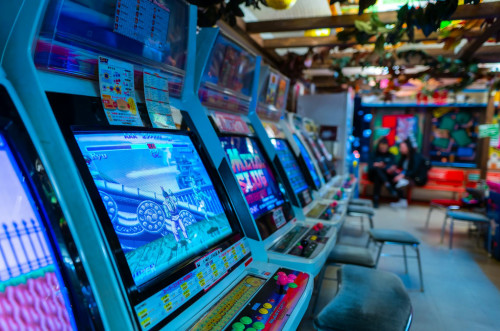
Casinos have long held a place in British popular culture. From James Bond’s suave casino scenes to the bright lights of seaside arcades, gambling has symbolised both glamour and risk. Yet as society becomes more aware of mental health and economic inequality, the narrative is shifting. Gambling is increasingly seen not as a symbol of status, but as a form of entertainment that must be approached with awareness and balance.
At the same time, new forms of social gambling are emerging. Online tournaments, live-streamed poker, and e-sport-style competitions show that gambling can be part of a broader digital culture that values interaction and shared experience as much as winning.
A Mirror of Our Times
The casino industry tells the story of a society in transition. It reveals how we deal with temptation, technology, and responsibility—and how our understanding of entertainment continues to evolve. Where gambling once represented luxury and exclusivity, it now reflects accessibility, individualism, and digital culture.
The question is no longer whether we gamble, but how we do it—and what that says about us as a society. In that sense, the casino industry is not just a business, but a mirror reflecting our values, habits, and hopes in an age defined by both opportunity and restraint.
Læs også: