Sense of Atmosphere: Light, Sound and Scent in Casino Design

Sense of Atmosphere: Light, Sound and Scent in Casino Design
When you step into a casino – whether it’s a grand venue in London’s West End or an online platform on your phone – the atmosphere is never accidental. Every flicker of light, every sound effect, and even the scent in the air are carefully orchestrated to create a mood that entertains, excites, and keeps players engaged. Casino design is not just about aesthetics; it’s about psychology – crafting an environment where players feel comfortable, absorbed, and eager to stay.
Light: From Glamour to Guidance
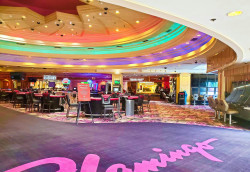
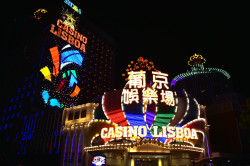
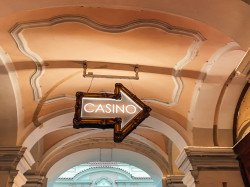
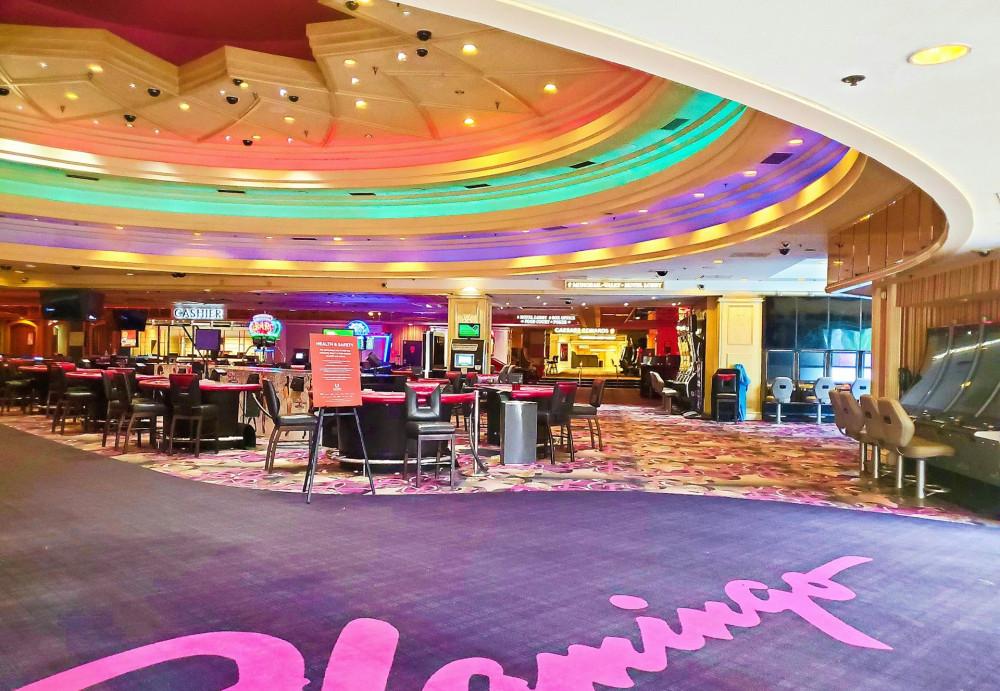
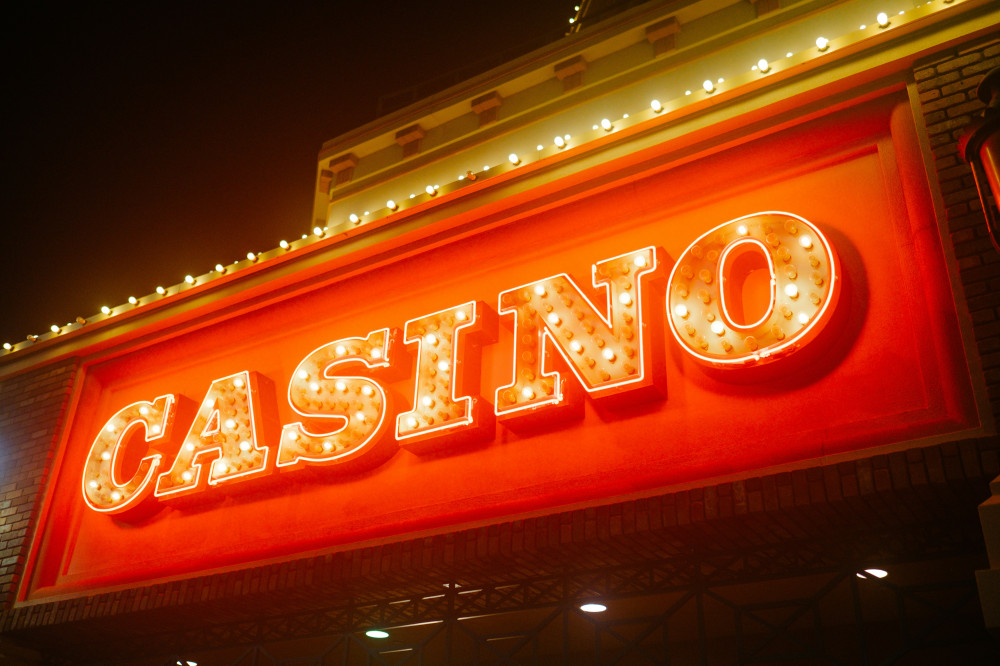
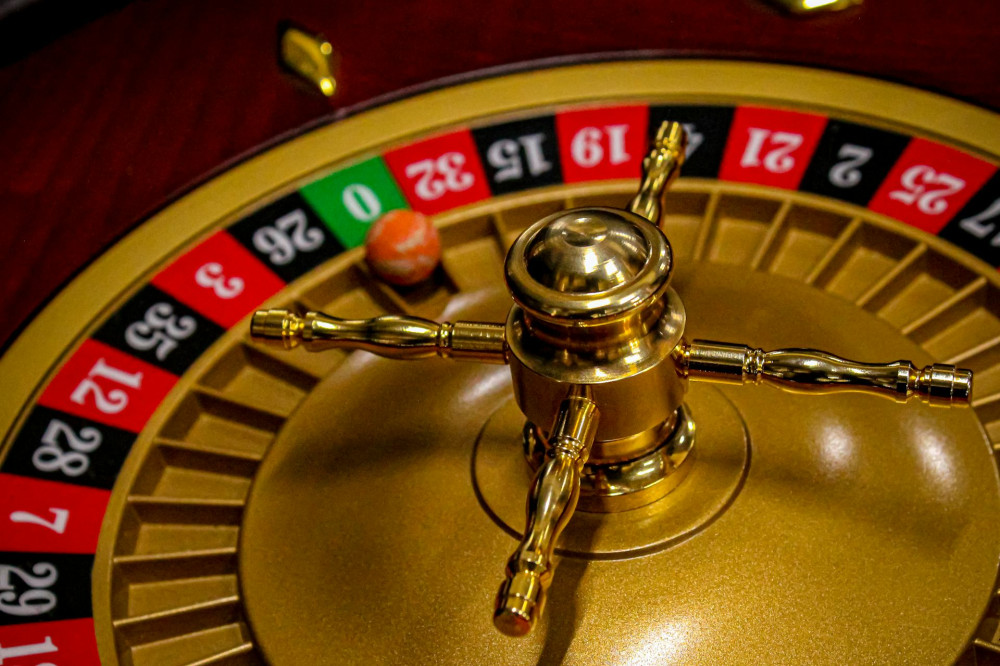
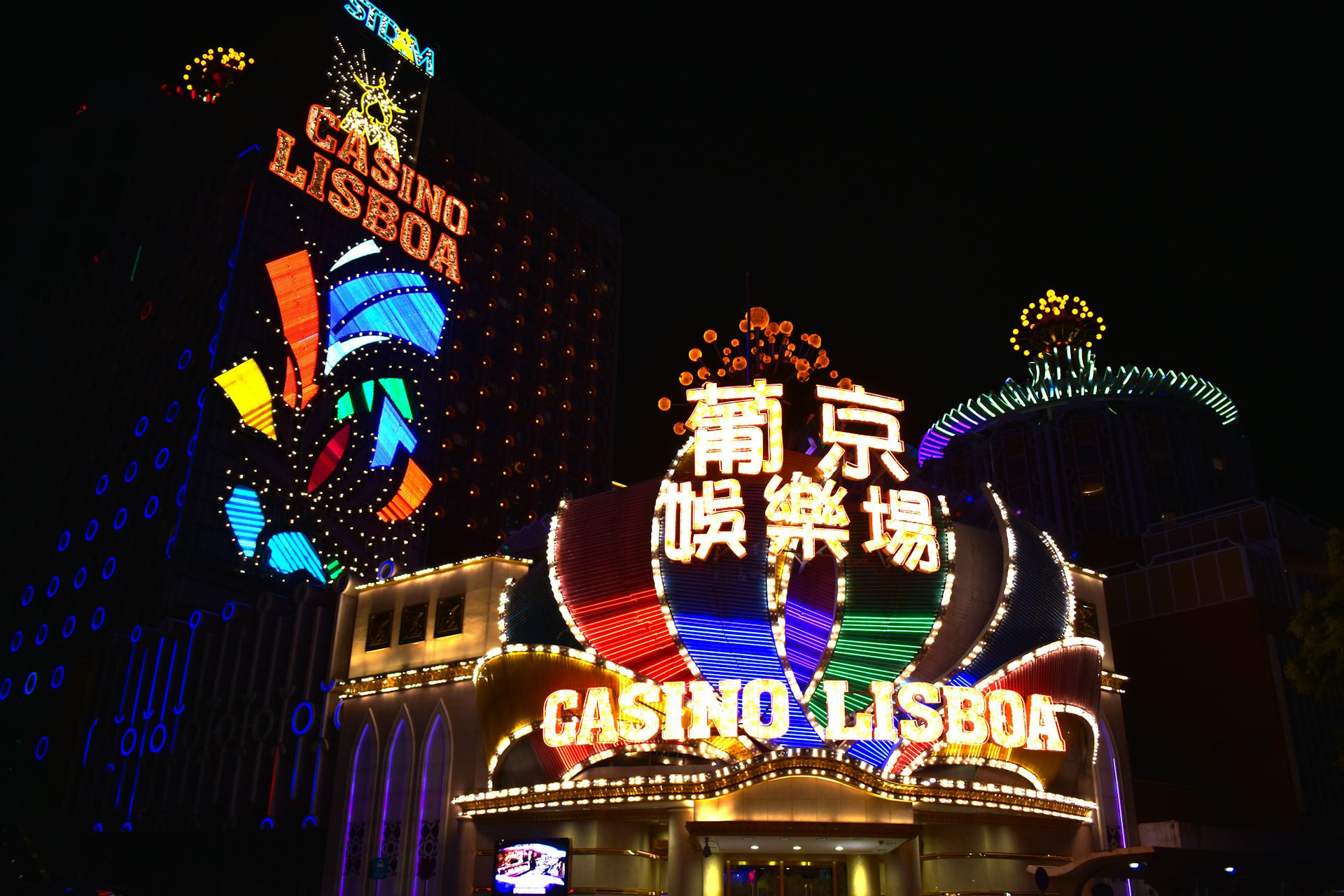
Lighting is one of the most powerful tools in casino design. In traditional land-based casinos, it’s used to evoke a sense of luxury and energy – warm tones, shimmering chandeliers, and spotlights that highlight the action on the gaming floor. The lighting draws attention to key areas, guiding guests naturally from one game to the next.
There’s also a subtle manipulation of time at play. Many casinos avoid windows and clocks, allowing the lighting to maintain a timeless atmosphere where day and night blur together. The goal is immersion – to make players lose themselves in the experience.
In online casinos, light takes on a digital form. Designers use colour palettes, animations, and glowing effects to replicate the same sense of excitement. A spinning reel illuminated in gold or a soft flash when a player wins – these visual cues are designed to trigger the same emotional responses as the lights of a physical casino.
Sound: The Invisible Mood Setter
Sound is the unseen architect of atmosphere. The constant hum of activity, the rhythmic clinking of coins, the celebratory chime of a win – all combine to create a soundscape that feels alive and full of possibility. It’s a carefully balanced mix: energetic enough to keep players alert, but never so loud as to overwhelm.
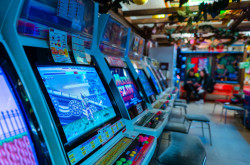
Research has shown that sound can subtly influence behaviour. Upbeat tempos can encourage faster play, while softer background music can make people linger longer. Online casinos have embraced this too, using sound design to replicate the thrill of a real gaming floor. A digital jackpot jingle can be just as satisfying as the sound of coins cascading into a tray.
Læs også:
Scent: The Subtle Persuader
Scent is perhaps the most understated yet powerful element of casino design. Many high-end casinos use scent marketing – diffusing a signature fragrance that evokes calm, comfort, and familiarity. A pleasant aroma can make guests feel more relaxed and, as studies suggest, more likely to stay longer.
Scent also builds memory. When players return, the familiar fragrance can trigger positive associations with past experiences, reinforcing a sense of belonging. While online casinos can’t replicate scent directly, they borrow the concept through visual and auditory cues that evoke similar feelings of comfort and recognition – a kind of “digital scent” that appeals to memory and emotion.
The Complete Experience: Design That Speaks to the Senses
The modern casino, whether physical or digital, is a masterclass in multisensory design. Light, sound, and scent work together to create an immersive environment where players lose track of time and place. It’s not just about encouraging play; it’s about crafting an atmosphere where entertainment, comfort, and excitement blend seamlessly.
When done well, a casino doesn’t feel like a venue you visit – it feels like an experience you step into. Every sensory detail contributes to that illusion, turning a simple game into a world of its own.
The Future of Casino Atmosphere: Technology Meets the Senses
As technology evolves, so too does sensory design. Virtual reality and augmented reality casinos are already experimenting with environments that respond dynamically to player movement – lights that shift with your gaze, sounds that change as you move through virtual rooms.
In the future, we may see even more personalised sensory experiences: temperature changes, subtle vibrations, or adaptive lighting that matches a player’s mood. The goal remains the same as it has always been – to create an atmosphere that feels alive, engaging, and impossible to walk away from.
Læs også: