Play responsibly: tips for a safe gaming experience
Safety is paramount when playing. This e-book gives you useful tips and tools to gamble responsibly, set gambling limits and recognize signs of gambling addiction so you can ensure a healthy gambling experience.
Get your e-book now

Misjudged Poker Hand? How to Handle the Situation Professionally

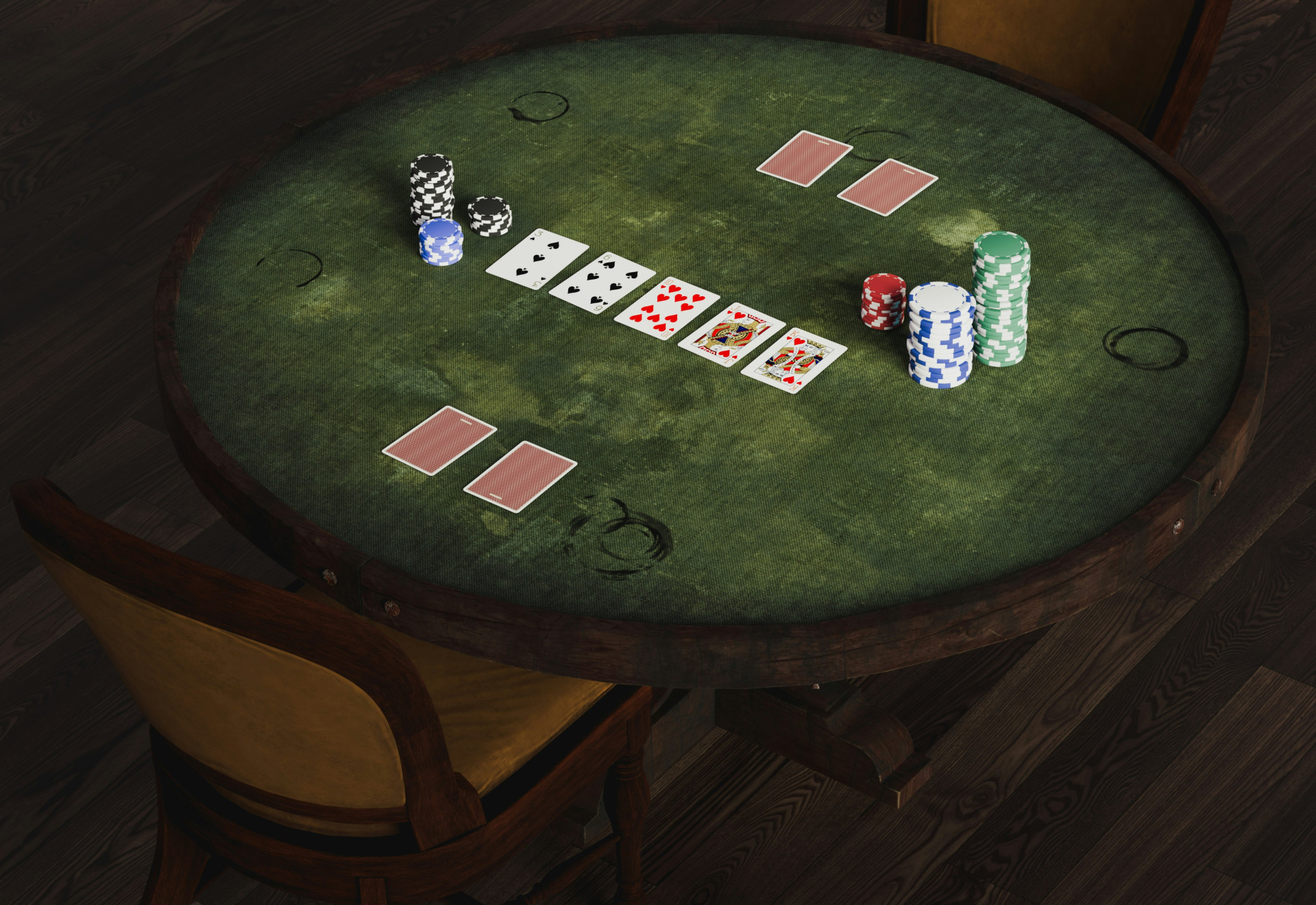
Turn a poker misstep into a lesson in composure and professionalism
Poker
Poker
2 min
Every poker player makes mistakes, but how you handle them defines your reputation at the table. Learn how to stay calm, analyze the situation, and respond with confidence and respect when a hand doesn’t go your way.
Luke Charles
Luke
Charles

Misjudged Poker Hand? How to Handle the Situation Professionally

Turn a poker misstep into a lesson in composure and professionalism
Poker
Poker
2 min
Every poker player makes mistakes, but how you handle them defines your reputation at the table. Learn how to stay calm, analyze the situation, and respond with confidence and respect when a hand doesn’t go your way.
Luke Charles
Luke
Charles

Even the most seasoned poker players can misread a hand. Perhaps you overlook a combination, misinterpret an opponent’s move, or simply lose focus at a crucial moment. It happens – but how you respond to the mistake determines how others perceive you at the table. A professional reaction can protect both your confidence and your reputation as a serious player.

Stay Calm – and Avoid Acting on Impulse

The first and most important step is to stay calm. A misjudged hand can be frustrating, especially if it costs you a large pot. But reacting with anger, sighs, or blame – whether directed at yourself or others – helps no one. In fact, it can give your opponents valuable insight into your emotional state.

Take a deep breath and accept that the mistake has happened. Professional players know that poker is as much about psychology as it is about skill. Showing composure, even when you slip up, signals strength and experience.

Analyse the Situation – but Wait Until the Hand Is Over

Once the hand is finished, you can start to analyse what went wrong. Did you misread the board? Miss a possible straight or flush? Or were you influenced by a previous hand and let emotions take over?

It’s important to separate analysis from play. There’s no room for self-criticism in the middle of a hand – it clouds your judgement. Wait until a break or after the session to review the hand calmly, perhaps using a hand history or discussing it with a trusted fellow player.

Learn from the Mistake – and Use It Constructively

A misjudgement only becomes a problem if you fail to learn from it. Professional players treat their mistakes as opportunities for growth. Ask yourself:

  • What led me to make that decision?
  • Was there information I missed?
  • How can I avoid repeating it?

By noting your errors and reflecting on them, you can gradually improve your understanding of the game. Many players keep a poker journal, recording what went well and what didn’t in each session. It may sound simple, but it’s an effective way to develop your skills over time.

Communicate Respectfully at the Table

If your misjudgement causes confusion with other players – for example, if you reveal a hand incorrectly or misunderstand a rule – handle it respectfully. Offer a brief apology and let the game continue. Becoming defensive or argumentative only creates tension and distracts everyone involved.

In UK casinos or tournaments, you can always ask the dealer or floor manager to clarify the situation. Doing so shows that you take the rules seriously and value fair play.

Regain Focus – and Move On

After a mistake, it can be difficult to return to your best game. Many players make the classic error of trying to “win it back” too quickly, which often leads to further poor decisions. Instead, take a moment to reset mentally. Have a sip of water, take a few deep breaths, and remind yourself that every hand is a fresh start.

Discipline is key. Poker isn’t about avoiding mistakes altogether – it’s about managing them so they don’t affect the rest of your play.

When Playing Online

In online poker, a misjudged hand may feel less personal, but the consequences are the same. Use the tools available – such as hand histories and analysis software – to review your decisions. Many online players record their sessions to spot patterns and identify areas for improvement.

If you lose focus after a mistake, take a short break. It’s far better to log off for five minutes than to continue playing in a poor mental state.

Professionalism Pays – Even in Defeat

Handling a misjudged hand professionally ultimately comes down to attitude. Poker is a game where even the best players lose hands – but the best lose with dignity. By staying calm, learning from your mistakes, and showing respect for the game and your opponents, you strengthen both your play and your reputation.

A professional approach doesn’t just make you a better player – it makes you a more respected member of the poker community.

Beginner Mistakes in Poker: How to Spot and Avoid Them
Learn how to recognize and correct the most common beginner errors at the poker table
Poker
Poker
Poker
Card Games
Strategy
Beginners
Gambling Tips
2 min
New to poker? Avoid the traps that cost many beginners their chips. This guide walks you through the most frequent mistakes—from playing too many hands to ignoring bankroll management—and shows you how to build a smarter, more disciplined game.
Rachael Bennett
Rachael
Bennett
Razz Poker Explained: How the Game Works Where the Lowest Hand Wins
Discover the poker variant where aiming low is the key to winning
Poker
Poker
Razz Poker
Poker Strategy
Card Games
Casino Games
Gambling
3 min
Razz Poker flips traditional poker strategy on its head by rewarding the lowest hand instead of the highest. Learn how this unique stud game is played, what counts as a winning hand, and why it appeals to players who value patience and skillful observation.
Faith Knight
Faith
Knight
Fair Play at the Poker Table: Avoid “Angle Shooting” and Unethical Behaviour
Keep the game honest and enjoyable by understanding poker’s unwritten rules
Poker
Poker
Poker
Fair Play
Ethics
Card Games
Player Conduct
5 min
Fair play is the foundation of poker. Learn what “angle shooting” means, how to recognize unethical behaviour at the table, and how to maintain integrity and respect in every hand you play.
Isabella Simpson
Isabella
Simpson
Misjudged Poker Hand? How to Handle the Situation Professionally
Turn a poker misstep into a lesson in composure and professionalism
Poker
Poker
Poker
Professionalism
Poker Strategy
Mindset
Table Etiquette
2 min
Every poker player makes mistakes, but how you handle them defines your reputation at the table. Learn how to stay calm, analyze the situation, and respond with confidence and respect when a hand doesn’t go your way.
Luke Charles
Luke
Charles
Plastic or Paper? How to Choose the Best Cards for Your Poker Game
Discover which type of playing cards gives you the best poker experience
Poker
Poker
Poker
Playing Cards
Game Night
Card Games
Home Entertainment
6 min
The right deck can make or break your poker night. Learn the pros and cons of plastic and paper cards, how to choose the right quality and design, and what to consider for durability and feel.
Joseph Hill
Joseph
Hill
Blackjack for Beginners: How to Play and Improve Your Odds Against the Dealer
Learn the essentials of blackjack and discover strategies to boost your winning chances
Casino
Casino
Blackjack
Casino Games
Card Games
Gambling Tips
Beginner Guide
7 min
New to blackjack? This beginner’s guide explains the rules, key terms, and smart strategies that can help you play with confidence and improve your odds against the dealer—whether at a casino table or online.
Rachael Bennett
Rachael
Bennett
Learn from Your Bets: Evaluate Your Past Games and Improve Your Strategy
Turn your betting history into a roadmap for smarter play
Casino
Casino
Betting Strategy
Sports Betting
Responsible Gambling
Game Analysis
Player Improvement
3 min
Discover how reviewing your past bets can sharpen your strategy and help you make more informed decisions. Learn to analyse your wins and losses, identify patterns, and build a more responsible and effective approach to betting.
Faith Knight
Faith
Knight
Patience and Observation – The Key to a Better Casino Experience
Discover how patience and keen observation can transform your time at the casino
Casino
Casino
Casino Tips
Gambling Strategy
Player Mindset
Online Casino
Responsible Gaming
2 min
Learn why slowing down, reading the game, and developing a thoughtful strategy can make your casino visits more rewarding. Whether you play online or in person, mastering patience and observation can lead to a more enjoyable and successful experience.
Isabella Simpson
Isabella
Simpson