Fair Play at the Poker Table: Avoid “Angle Shooting” and Unethical Behaviour

Fair Play at the Poker Table: Avoid “Angle Shooting” and Unethical Behaviour
Poker isn’t just about cards, strategy, and luck – it’s also about respect. Fair play is a cornerstone of the game’s culture, and most players take pride in behaving properly at the table. Yet there are grey areas where some try to exploit loopholes or take advantage of others’ inattention. This is known as “angle shooting” – behaviour that can ruin both the atmosphere and the integrity of the game.
Here’s a guide to what angle shooting is, how to avoid it, and why ethical conduct is essential for a healthy poker environment.
What Is “Angle Shooting”?
“Angle shooting” refers to actions that may not technically break the rules but are designed to deceive or confuse opponents. It’s about using tricks or manipulative tactics to gain an unfair edge.
Examples include pretending to fold to gauge reactions, hiding high-value chips to misrepresent your stack, or exploiting language ambiguities to your advantage.
While such behaviour might not be illegal, it’s widely considered unethical – and it can quickly earn you a poor reputation among other players.
Why Fair Play Matters
Poker is built on trust. Whether you’re playing in a local pub game, a home game with friends, or at a professional tournament, everyone needs to feel confident that the game is being played on fair terms.
When someone manipulates situations through dishonest tactics, it breeds mistrust and frustration. It can discourage new players from returning and spoil the social side of the game that makes poker enjoyable.
Fair play isn’t just about morality – it’s about preserving the quality and spirit of the game.
Common Forms of Unethical Behaviour
Most players behave decently, but it’s useful to recognise the most common forms of unethical conduct so you can avoid them – and spot them when they occur:
- False gestures – pretending to act (for example, reaching for chips) to provoke reactions from opponents.
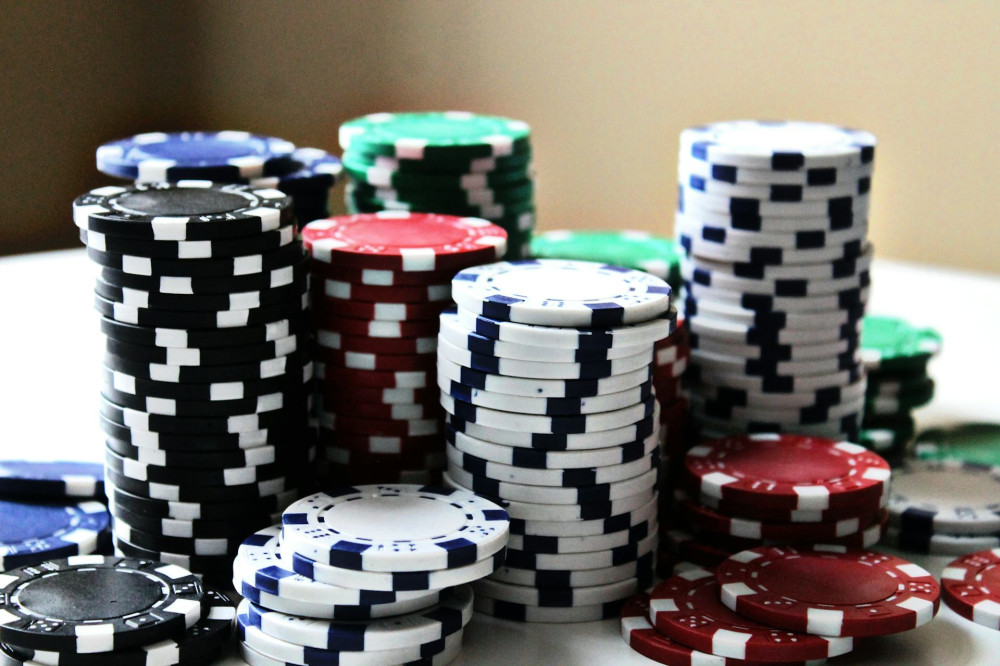
- Hidden chips – concealing large chips behind smaller ones to give a misleading impression of your stack.
- Deliberate misunderstanding – exploiting unclear rules or language barriers to your advantage.
- Slow play for manipulation – taking excessive time to act in order to irritate or pressure others.
- Inappropriate table talk – commenting on ongoing hands to influence other players’ decisions.
These actions may seem minor, but they undermine fairness and can lead to conflict.
Læs også:


How to Play Ethically – and Earn Respect
Playing ethically doesn’t mean being naïve or giving up your competitive edge. It means playing hard but fair. Here are some simple principles:
- Be clear in your actions. When you bet, call, or fold, do so decisively and without ambiguity.
- Show respect for others. Avoid mocking, criticising, or provoking other players.
- Keep the game moving. Play at a reasonable pace so everyone enjoys the experience.
- Follow the house rules. Whether you’re in a casino, a club, or online, respect the established guidelines.
- Own your mistakes. If you make an error, acknowledge it rather than trying to exploit it.
Ethical play earns you respect and helps you focus on strategy rather than manipulation – ultimately making you a stronger player.
When You Encounter Unethical Behaviour
If you witness angle shooting or other unethical conduct, stay calm and address it appropriately. In a casino or tournament, call the dealer or floor manager to assess the situation.
In home games, it’s wise to have an open discussion about rules and expectations so everyone agrees on how the game should be played. Clear communication prevents misunderstandings and keeps the game friendly and fair.
A Game Built on Trust
Poker is a game where psychology, strategy, and human interaction meet – and that’s what makes it so captivating. But without trust and respect, the game loses its essence.
By avoiding angle shooting and unethical behaviour, you help create an environment where everyone can enjoy the game, regardless of skill level. Fair play isn’t just a rule – it’s an attitude that makes poker better for everyone.
Læs også: