From Past to Present: Historical Games That Shaped Today’s Casino Rules

From Past to Present: Historical Games That Shaped Today’s Casino Rules
When you step into a modern casino – whether it’s a glittering venue in London or an online platform on your phone – it’s easy to think of the games as products of the digital age. Yet behind the sleek interfaces and random number generators lies a story that stretches back centuries. Many of today’s casino rules have their roots in ancient pastimes, shaped by cultural exchange, legal reform, and the human fascination with chance. This article explores how historical games have influenced the rules and principles that define modern casinos in the UK and beyond.
From Ancient Dice to the Birth of Chance
The earliest evidence of gambling dates back thousands of years. Archaeologists have found dice carved from bone in ancient Egypt and Mesopotamia, suggesting that humans have long been drawn to games of chance. The Greeks and Romans also played dice games, often wagering money or goods. In Rome, gambling became so widespread that authorities introduced early forms of regulation, including restrictions on betting and the first recorded gaming licences. These ancient attempts to control gambling foreshadowed the licensing systems that govern British casinos today.
The concept of randomness – the idea that outcomes are determined by chance rather than skill – was born in these early games. It remains the foundation of modern casino play, from roulette wheels to slot machines.
The Journey of Playing Cards Through the Ages
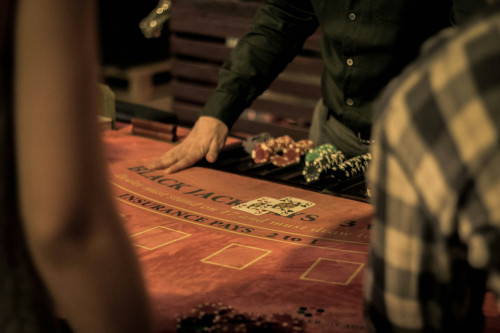
Playing cards arrived in Europe from Asia in the late 14th century, likely through trade routes connecting the Middle East and Italy. Initially a luxury for the wealthy, cards became widely accessible after the invention of the printing press. By the 17th and 18th centuries, card games such as baccarat and vingt-et-un (the ancestor of blackjack) were popular in French and British high society.
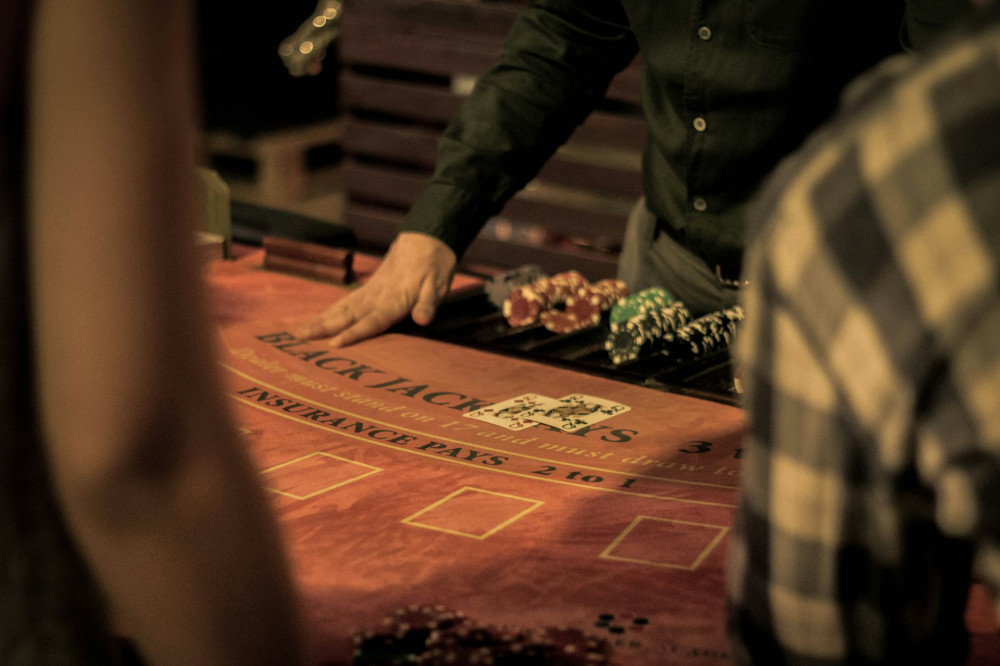
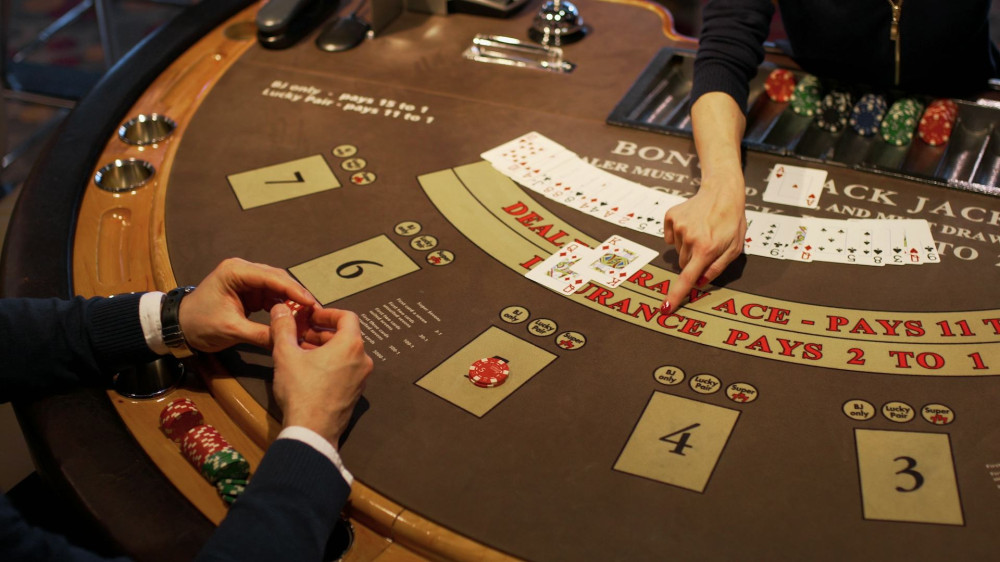
As these games spread, so did the need for consistent rules. Early versions of blackjack established principles such as the dealer’s obligation to draw to a certain total and the use of fixed betting limits. These conventions were later codified in casino regulations, ensuring fairness and predictability – values that remain central to the UK Gambling Commission’s standards today.
Roulette: From Scientific Curiosity to Casino Icon
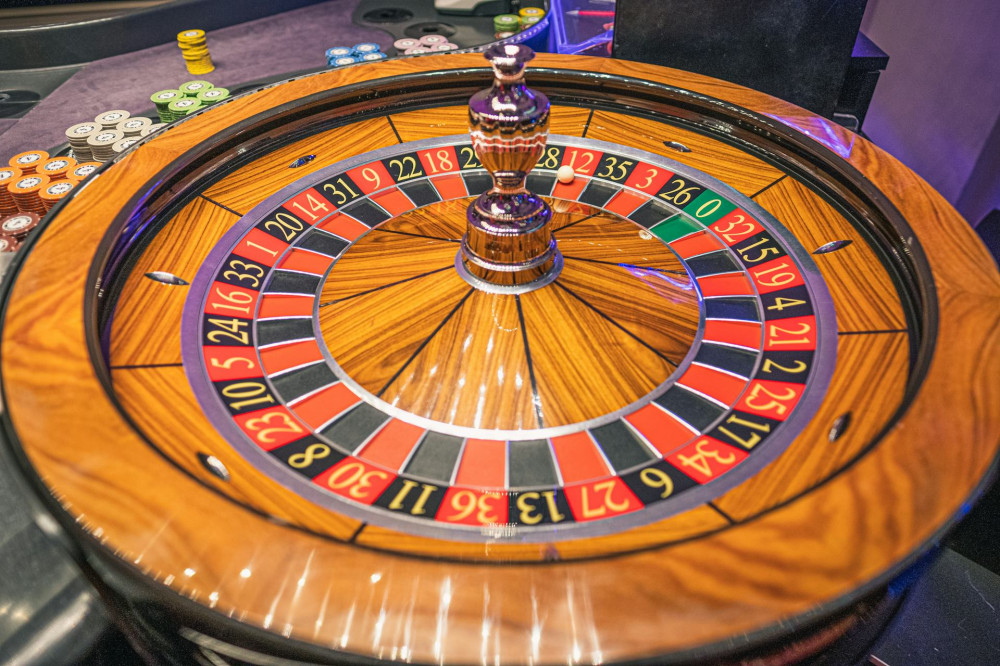
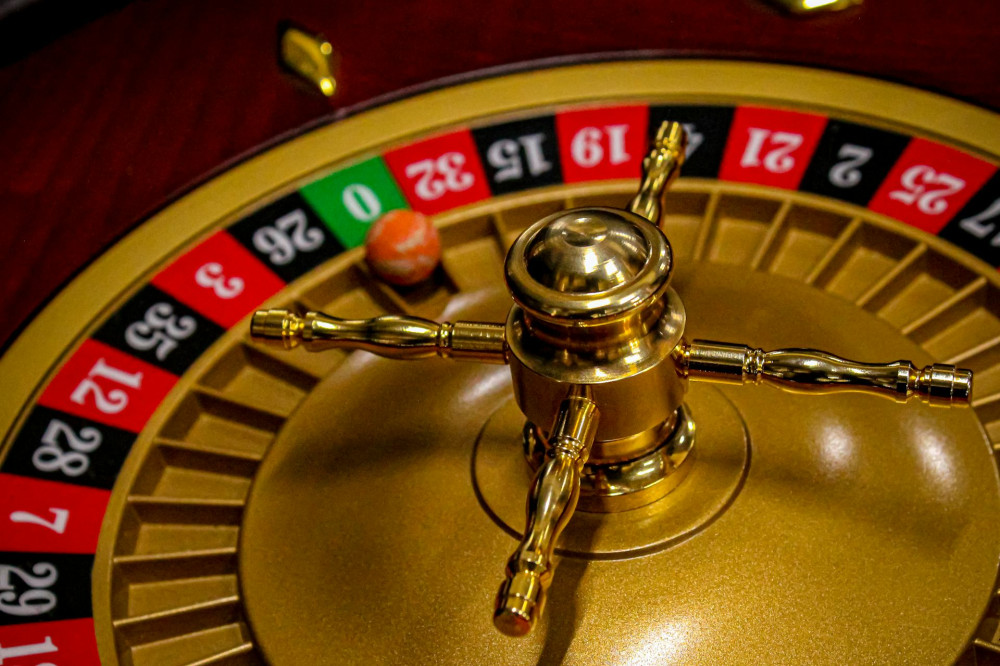
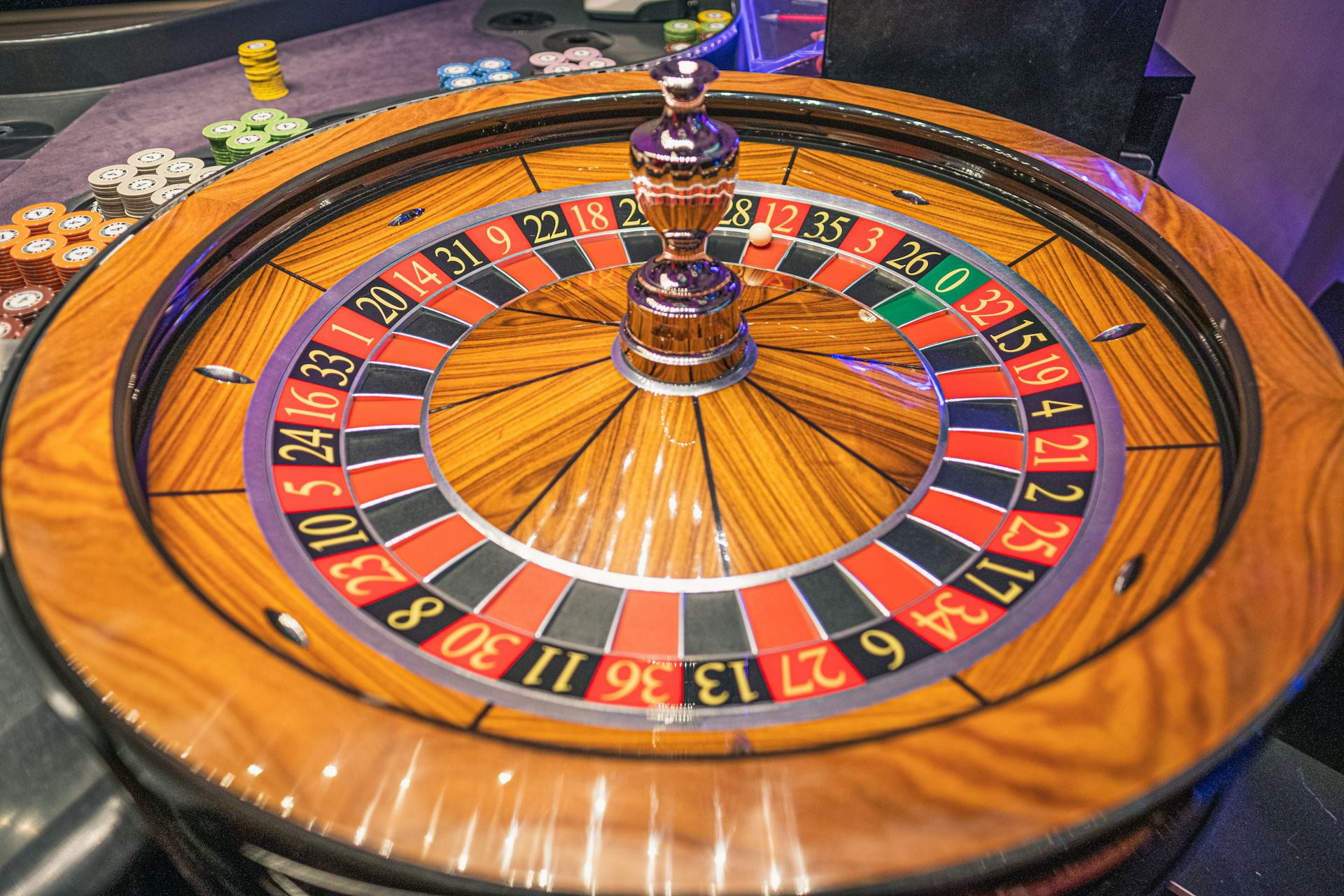
Roulette’s story begins in 17th-century France, when mathematician Blaise Pascal attempted to create a perpetual motion machine. His experiment failed, but it produced the first version of the roulette wheel. By the 19th century, the game had evolved into the form we recognise today, thanks to the Blanc brothers, who introduced the single-zero wheel to reduce the house edge.
Roulette quickly became a symbol of sophistication and risk, spreading from Monte Carlo to London’s exclusive clubs. To prevent cheating and ensure fairness, casinos standardised wheel designs, payout ratios, and betting layouts. These early measures laid the groundwork for the strict equipment testing and fairness audits that modern UK casinos must follow.
Læs også:

Poker and the American Influence
While Europe refined roulette and baccarat, poker emerged in 19th-century America. It evolved from earlier European card games and became a staple of riverboats, saloons, and military camps. The game’s informal beginnings often led to disputes, prompting the creation of formalised rules for hand rankings, betting rounds, and dealer responsibilities.
By the early 20th century, poker tournaments introduced standardised rulebooks, which later influenced casino operations worldwide. When poker gained popularity in Britain during the 20th century, these American standards were adopted and adapted to fit UK gaming laws. Today, both live and online poker rooms operate under clear, regulated frameworks that trace their lineage back to those early rule sets.
From Prohibition to Regulation: The Legal Evolution
The history of gambling is also a history of lawmaking. For centuries, games of chance were alternately banned and tolerated, depending on moral and political attitudes. In Britain, the 1845 Gaming Act sought to curb illegal gambling while recognising its inevitability. Later, the Betting and Gaming Act of 1960 legalised commercial casinos under strict licensing conditions, paving the way for the regulated industry we know today.
This shift from prohibition to regulation mirrored developments elsewhere, such as the legalisation of gambling in Nevada in the 1930s. The principle was clear: gambling could exist safely if it was transparent, taxed, and controlled. Modern UK casino rules – including player protection measures, anti-money-laundering checks, and responsible gambling initiatives – are direct descendants of this philosophy.
Digital Casinos: Old Rules in a New World
The rise of online casinos in the late 1990s transformed the gambling landscape, but the underlying rules remained remarkably familiar. Whether you’re spinning a virtual roulette wheel or playing blackjack on your phone, the same mathematical principles and fairness standards apply. The difference lies in how they’re enforced: through algorithms, encryption, and digital oversight rather than physical supervision.
In the UK, online operators must hold licences from the Gambling Commission, ensuring that games are fair, payouts are transparent, and players are protected. In many ways, this digital regulation is the modern continuation of a centuries-old effort to balance excitement with responsibility.
Games as a Reflection of Society
The evolution of casino games tells us as much about society as it does about entertainment. From ancient dice to online slots, each era’s rules reflect its values – from the Roman desire for order to the Enlightenment’s fascination with probability, and today’s emphasis on consumer protection. The games we play, and the rules that govern them, are the product of centuries of adaptation and oversight.
So next time you place a bet, remember: you’re not just taking part in a game of chance. You’re participating in a living tradition that stretches from the temples of ancient Egypt to the digital casinos of modern Britain – a story of risk, regulation, and the enduring human love of play.
Læs også: