Baccarat’s Journey – From Aristocratic Parlour Game to Modern Casino Favourite

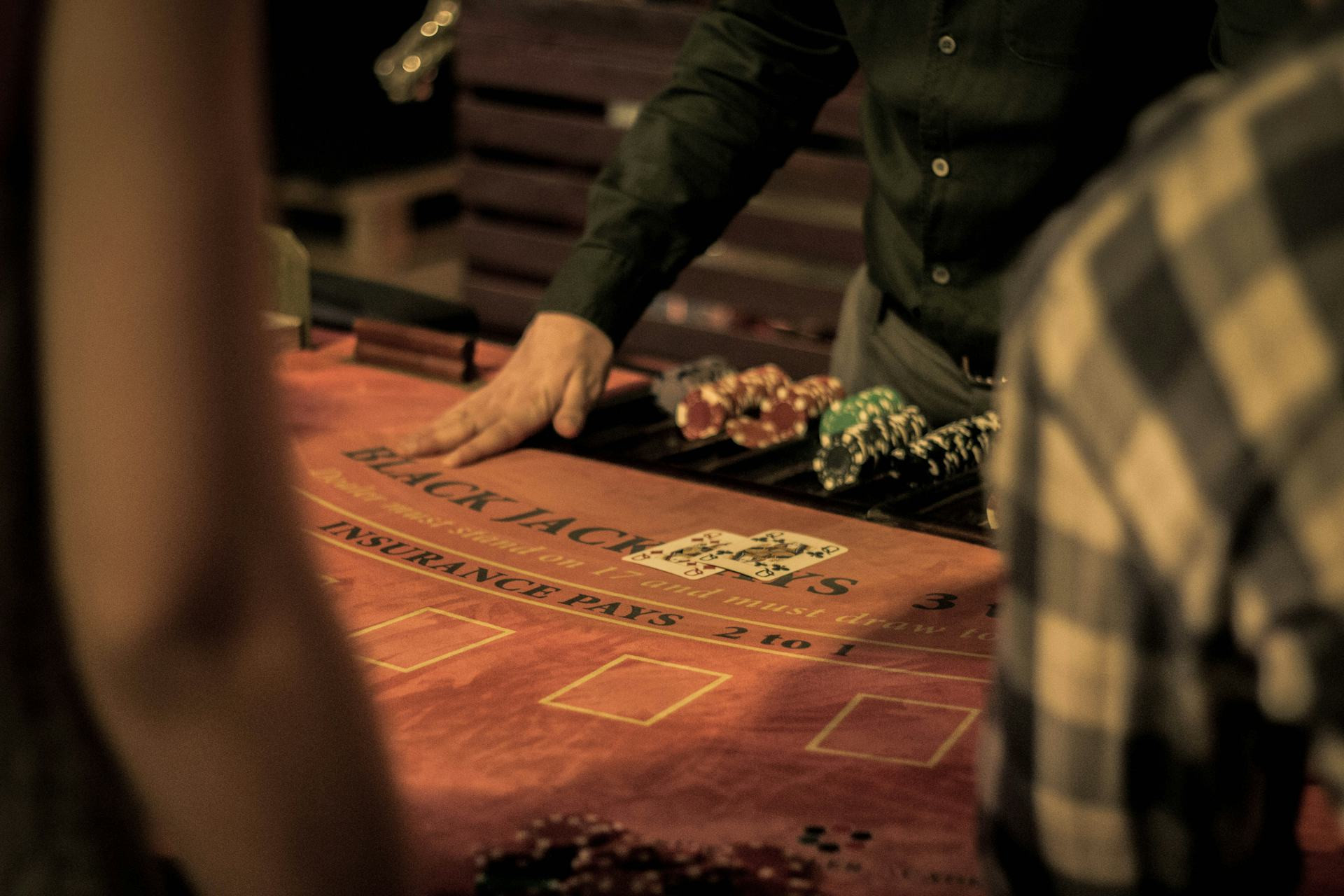
Baccarat’s Journey – From Aristocratic Parlour Game to Modern Casino Favourite
Baccarat is today one of the most iconic casino games in the world – celebrated for its elegance, simplicity, and association with glamour. Yet behind its refined image lies a long and fascinating history: a story of how a game once reserved for European nobility found its way to the bright lights of modern casinos and the digital world. Let’s explore baccarat’s remarkable journey through time and culture.
From Italian Origins to French Sophistication
Most historians trace baccarat’s roots back to Italy in the late 15th century. The game was called baccara, meaning “zero” – a nod to the fact that tens and picture cards are worth zero points. It soon caught the attention of the French aristocracy, where it evolved into chemin de fer, a version that emphasised strategy and social interaction.
In France, baccarat became a favourite pastime at the royal court of Charles VIII and later among the upper classes of the 18th and 19th centuries. It was a game of refinement and prestige, played in candlelit salons where wit and wealth went hand in hand. To play baccarat was to signal one’s sophistication and social standing.
Crossing the Atlantic
As European settlers travelled to the Americas, baccarat crossed the ocean with them. In the United States, the game took on a new form known as Punto Banco. In this version, players no longer made strategic decisions but simply bet on whether the “Player” (Punto) or the “Banker” (Banco) would win. This streamlined approach made the game faster and more accessible, and it soon became a staple in the casinos of Havana and later Las Vegas during the mid-20th century.
While roulette and blackjack attracted the crowds, baccarat was marketed as a game for the elite. Casinos created exclusive rooms with soft lighting, high stakes, and discreet service – all designed to preserve the game’s aura of luxury and exclusivity.
Læs også:



From James Bond to Global Fame
Baccarat’s image received an extra touch of glamour when it appeared in popular culture. The British secret agent James Bond was famously portrayed at the baccarat table in both novels and films, reinforcing the game’s reputation as one of sophistication, danger, and control. Even as later films shifted their focus to poker, baccarat remained synonymous with style and composure.
In Asia, particularly in Macau, baccarat experienced a dramatic resurgence from the 1990s onwards. It became the dominant casino game in the region, accounting for the majority of gaming revenue. Its combination of simplicity, fast pace, and potential for large wins made it a favourite among both high rollers and casual players.
Online Baccarat – Tradition Meets Technology
The rise of the internet in the 1990s marked another turning point in baccarat’s evolution. Online casinos brought the game to a global audience, while live dealer versions recreated the atmosphere of a real casino from the comfort of one’s home. Today, players can enjoy baccarat on their phones, tablets, or computers, with immersive graphics and interactive features that blend tradition with innovation.
Despite these technological advances, the essence of baccarat remains unchanged: a simple choice between player and banker, and the thrill of an unpredictable outcome.
A Game That Bridges Past and Present
Baccarat has endured for more than five centuries because it continues to balance tradition with reinvention. It appeals to those who appreciate elegance and calm amid the bustle of the casino floor, as well as to those who simply enjoy a game of chance with clear rules and intense excitement.
From the salons of Renaissance Europe to the digital casinos of today, baccarat has retained its distinctive charm. It tells a story not only of aristocratic leisure but also of modern gaming culture – a timeless game that continues to captivate new generations of players around the world.
Læs også: