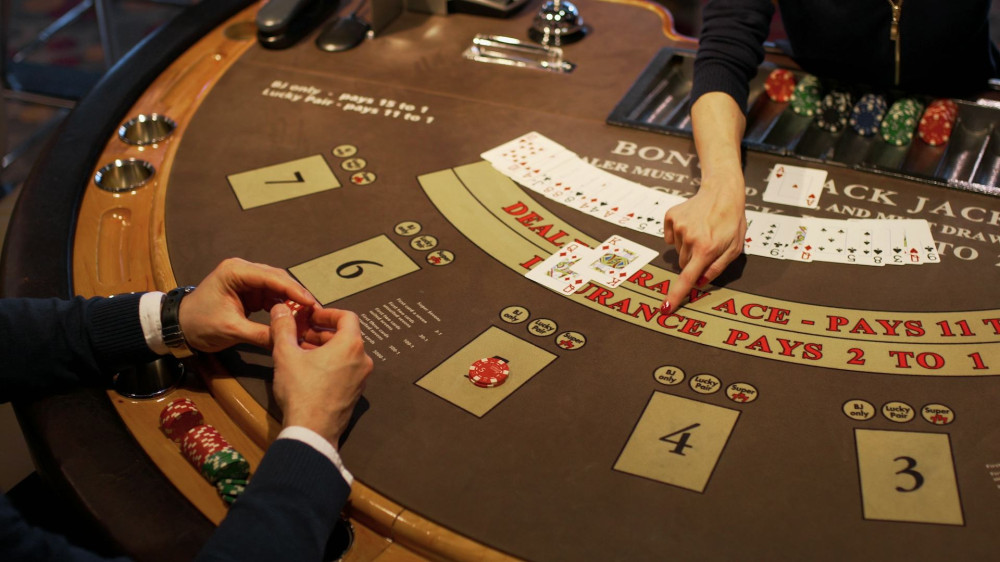
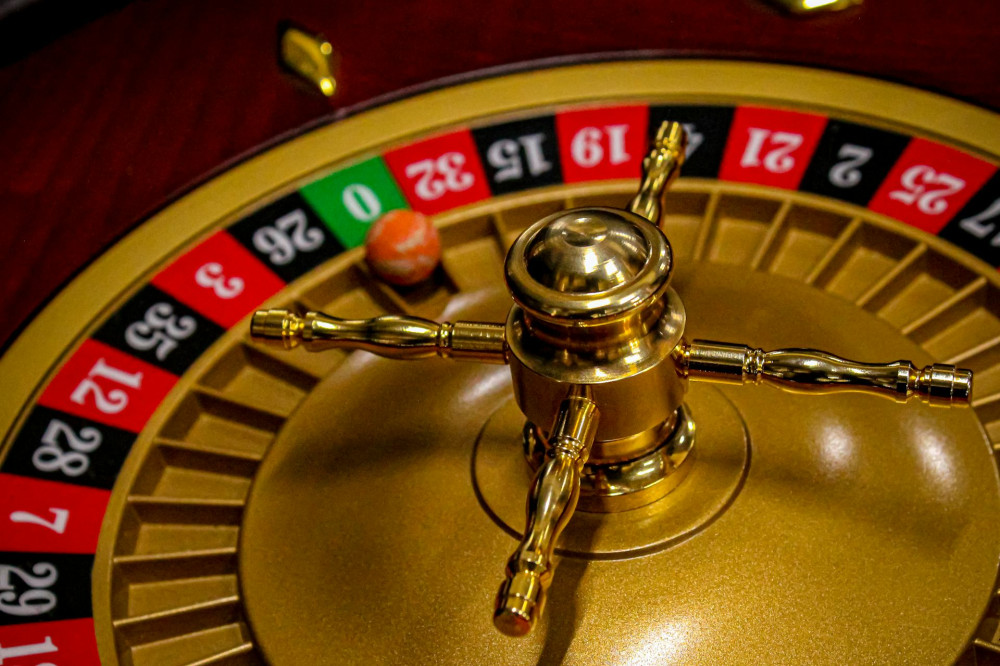
Test your gaming habits: Gain insight into how gaming fits into your free time


Test your gaming habits: Gain insight into how gaming fits into your free time
For many people in the UK, gaming is a natural and enjoyable part of leisure time – whether it’s playing console games with friends, a few rounds on your phone, or trying your luck at an online casino. But when does gaming remain a fun pastime, and when does it start to take up too much space in your life? Testing your gaming habits can give you an honest picture of how gaming fits into your daily routine – and whether there’s a need for adjustment.
Why it’s important to understand your gaming habits
Gaming can bring excitement, connection, and relaxation. But for some, it can also become a habit that takes more time, energy, or money than intended. By becoming aware of your patterns, you can better understand what motivates you to play – and whether gaming is still a positive part of your free time.
A gaming habits test isn’t a judgement, but a tool. It helps you reflect on questions such as:
- How often do I play – and for how long at a time?
- Do I play for fun, or to chase a win or escape stress?
- Do I have control over how much I spend on gaming?
- How does gaming affect my mood, relationships, and finances?
Your answers can give you a clear sense of whether your gaming habits are balanced, or if they might be starting to take over.
How to test your gaming habits
There are several free and anonymous self-assessment tools available online that can help you evaluate your gaming behaviour. These usually include questions about how often you play, how you react to losses, and whether gaming affects your social life, work, or finances.
When taking a test, it’s important to answer honestly. The results are for you alone – and can be a useful starting point for deciding whether you want to make any changes. Many people find that simply taking the test helps them see their gaming in a new light.
Signs that gaming might be taking over
It can be difficult to notice when gaming starts to become too dominant. Here are some signs to look out for:
- You play to escape problems or negative feelings.
- You spend more time or money on gaming than you planned.
- You try to win back money or achievements you’ve lost.
- You hide how much you play from family or friends.
- You feel restless or irritable when you can’t play.
If several of these points sound familiar, it might be a good idea to talk to someone – perhaps a friend, a counsellor, or a professional who understands gaming behaviour.
Læs også:



Finding balance between gaming and free time
Playing responsibly doesn’t necessarily mean giving up gaming altogether – it’s about finding balance. You can, for example:
- Set limits on how much time and money you spend on gaming.
- Plan breaks – gaming should be an activity, not an escape.
- Mix up your leisure time with other hobbies, so gaming isn’t your only source of excitement.
- Talk openly about your gaming habits with others – it can bring perspective and support.
When you have clear boundaries, gaming can once again be what it’s meant to be: a fun and entertaining part of your free time.
Where to find help and advice
If you feel that gaming is starting to take up too much space in your life, help is available. In the UK, organisations such as GamCare, BeGambleAware, and NHS support services offer free and confidential advice – online, by phone, or in person. They can help you understand your gaming habits and find ways to regain balance.
Seeking help isn’t a sign of weakness – it’s a sign of responsibility. It shows that you take your wellbeing seriously and want to stay in control of how gaming fits into your life.
Gaming should be fun – not a burden
Gaming can be a source of joy, excitement, and connection when done mindfully. By testing your gaming habits and reflecting on your patterns, you can make sure that gaming remains a positive part of your free time – and not something that controls it.
Læs også: