Local Traditions and Language: How They Influence the Bingo Experience

Local Traditions and Language: How They Influence the Bingo Experience
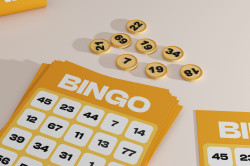
At first glance, bingo might seem the same wherever you go: numbers are called, cards are marked, and someone eventually shouts “Bingo!”. Yet behind this simple structure lies a rich tapestry of local customs, humour, and linguistic quirks that make the game far more than a test of luck. From seaside halls in Blackpool to community centres in the Scottish Highlands, bingo in Britain is a social ritual that reflects the character and culture of the people who play it.
The Language of the Call
One of the most distinctive features of British bingo is the language used by the caller. The famous “bingo lingo” – a mix of rhymes, slang, and cheeky humour – has become part of the game’s identity. Phrases that rhyme with numbers, playful references to British life, and regional accents all add colour to the experience. In some halls, the traditional calls are still cherished, while in others, modern twists and local jokes keep the crowd entertained.
The caller’s voice often sets the tone for the evening. In the North East, you might hear a warm Geordie accent; in Wales, a lilting bilingual call; in London, a quick-fire delivery full of wit. The language is not just functional – it’s performative, creating a shared rhythm and a sense of belonging among players.
Traditions That Bring People Together
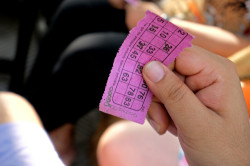
Bingo nights have long been a cornerstone of local life across the UK. In many towns, the weekly session is as much about community as it is about winning. Generations gather around tables, sharing stories, snacks, and laughter. Regulars often have their favourite seats, their lucky pens, and their own small rituals before the first number is called.
In coastal resorts, bingo has been part of holiday culture for decades, offering families a familiar and friendly pastime. In small villages, charity bingo nights raise funds for local causes, keeping the spirit of togetherness alive. Whether it’s a church hall in Cornwall or a working men’s club in Yorkshire, the sense of continuity and community is unmistakable.
Humour, Banter, and Belonging
British humour plays a central role in the bingo experience. The banter between caller and crowd, the playful teasing among players, and the shared laughter when someone misses a number all contribute to the atmosphere. It’s a kind of social theatre, where everyone participates in the fun.
The tone varies from place to place. In some halls, it’s gentle and good-natured; in others, it’s fast-paced and full of cheeky remarks. But wherever you go, the humour helps break down barriers and makes everyone feel part of the same lively community.
From Halls to Screens – Keeping It Local
Even as bingo has moved online, local traditions continue to shape the experience. Many digital platforms now offer themed games that celebrate regional culture, from Scottish slang to London landmarks. Some even feature live callers with recognisable accents, bringing a touch of authenticity to the virtual setting.
Online bingo has opened the game to new audiences, but the essence remains the same: connection, conversation, and a shared sense of fun. Whether you’re playing in a bustling hall or on your phone at home, the familiar phrases and friendly chatter keep the spirit of local bingo alive.
Læs også:
A Game That Speaks Many Languages
Bingo’s enduring appeal lies in its simplicity and adaptability. Every region, every accent, and every tradition adds its own flavour to the game. It’s never exactly the same from one place to another – and that’s what makes it special. When you play bingo in Britain, you’re not just marking numbers; you’re taking part in a living tradition where language, humour, and community are the real prizes.
Læs også: