Emotions and Expectations: The Human Side of Responsible Lottery Play


Emotions and Expectations: The Human Side of Responsible Lottery Play
Playing the lottery is rarely just about numbers and odds. For many people in the UK, it’s also about hope, excitement, and the dream of something more – a new beginning, a bit of freedom, or the chance to make life easier for loved ones. Yet behind every ticket and online draw lies an emotional story that deserves attention. Understanding how feelings and expectations shape our play is key to keeping the experience enjoyable and responsible.
The Dream of a Life-Changing Win
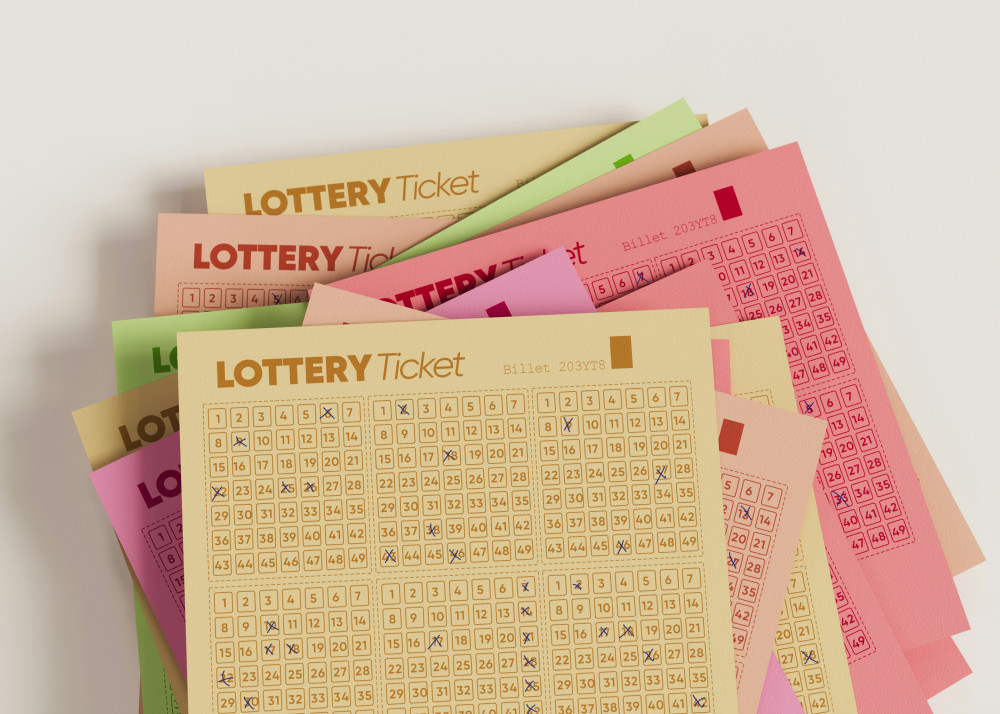
When you buy a lottery ticket, you’re not only buying a chance to win – you’re buying a moment of possibility. It’s that spark of “what if?” that makes the game so appealing. For most players, this dream is harmless fun, a small indulgence in imagination.
But the dream can sometimes grow too large. If winning starts to feel like the only way to solve problems or find happiness, the game can lose its lightness. Responsible play begins with recognising the difference between dreaming for fun and dreaming as an escape.
Læs også:
The Psychology of Excitement
The thrill of the lottery is more than just anticipation – it’s a biological response. The brain releases dopamine, the “feel-good” chemical, when we imagine a potential reward. That’s why waiting for the draw can feel almost as exciting as winning itself.
This reaction is natural, but it can also tempt us to play more often or spend more than planned. Being aware of how the game affects your mood is important. If you find yourself turning to the lottery to relieve stress or boredom, it might be time to take a step back and reset your habits.
When Expectations Take Over
Many players develop small rituals or beliefs over time – lucky numbers, favourite days, or the feeling that a win is “due” after a long streak without one. These habits are part of the fun, but they can also create unrealistic expectations.
Keeping perspective is essential. The odds of winning don’t change, no matter how long you’ve been playing. Reminding yourself of this helps keep the lottery in its proper place – as a light-hearted pastime, not a financial plan.
Setting Limits – and Sticking to Them
One of the most effective ways to play responsibly is to set clear limits: how much you’ll spend and how often you’ll play. It sounds simple, but it takes awareness and discipline to stick to those boundaries, especially when excitement builds.
Most UK lottery providers now offer tools to help – such as spending caps, time reminders, or self-exclusion options. Using these tools isn’t a sign of weakness; it’s a sign of control. It shows that you value the enjoyment of the game without letting it take over.
Talking About Play
Although playing the lottery is often a private activity, talking about it can make a big difference. Sharing your experiences – the fun moments as well as the frustrations – can help you keep a healthy perspective. It can also make it easier to notice if the game starts to take up too much space in your life.
For some, chatting with friends or family is enough. Others might find it helpful to seek advice from organisations such as GamCare or the National Gambling Helpline. The important thing is to remember that you’re not alone – and that responsible play includes being open about your experiences.
Play with Heart – but Use Your Head
The lottery can bring joy, community, and moments of hope. That’s part of its enduring appeal. But like many pleasures in life, it’s best enjoyed in balance. When you play with awareness of your emotions and expectations, the experience becomes not only more enjoyable but also healthier.
Playing responsibly doesn’t mean removing emotion from the game. It means understanding it – so you can enjoy the thrill of chance for what it truly is: a bit of fun, not a battle against reality.
Læs også: