The thrilling evolution of roulette: From ancient times to modern play

The thrilling evolution of roulette: From ancient times to modern play
The Origins of Roulette
Roulette, a game synonymous with excitement and anticipation, has roots that stretch back to ancient civilizations. The first semblance of a roulette-like game emerged in ancient China around 1200 AD, where a game called “The Game of chance” involved a spinning wheel and betting on various outcomes.
In ancient Rome, soldiers played a game called “Tesserae,” which involved a wheel and a betting mechanism. These early games provided the foundation for the modern roulette wheel, showcasing the universal human attraction to chance and risk.
The Birth of the Modern Game
The modern iteration of roulette took shape in 18th century France. It is widely believed that mathematician Blaise Pascal, while working on a perpetual motion machine, accidentally invented the roulette wheel. Partnering with local casino owners, the game began to be played in its current form.
The first recorded appearance of the word “roulette” was in a book by physicist and inventor Louis de Jouaust in 1796. The game quickly transformed into a staple in French casinos, gaining immense popularity among the elite and soon the general public.
The Spread of Roulette Across Europe
As the 19th century rolled in, roulettes fame spread beyond France. It made its way to other parts of Europe, particularly Germany and Italy. Different regions began to establish their variations, with Germany incorporating a significant twist known as “pigeon,” featuring additional betting options.
In 1843, the first casino outside France opened its doors in Bad Homburg, Germany, bringing roulette to a new audience. Players flocked to experience the thrill, leading to the creation of European gambling houses that became synonymous with the game.
The American Twist: Double Zero Roulette
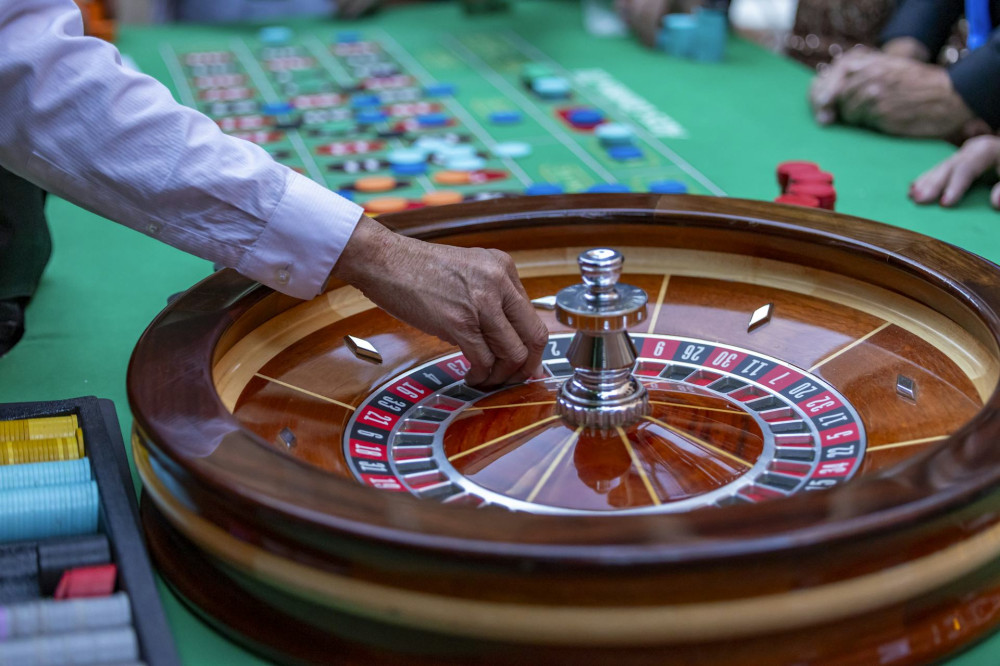
The transition of roulette to the United States in the 19th century marked a significant evolution of the game. American gamblers quickly adopted the French version but with a twist that would alter the games probability. In 1860, the introduction of the double zero (00) pocket created what is now referred to as American roulette.
This addition changed the house edge, making the odds less favorable for the player compared to its European counterpart, which only features a single zero (0). Despite this, American roulette gained immense popularity in casinos across the United States, particularly in Las Vegas, with the game becoming a cornerstone of the gambling industry.
The Impact of Technology on Roulette
The 20th century witnessed significant technological advancements that impacted not only the game of roulette but also the entire gambling experience. The introduction of electronic roulette machines revolutionized the way players engage with the game. These machines offered faster gameplay and the thrill of anonymity.
With the rise of the internet in the late 1990s, online casinos emerged, bringing roulette to the digital realm. Players could now spin the wheel from the comfort of their homes, accessing a variety of roulette formats. Live dealer games have since elevated the experience, allowing players to engage with real dealers via live streaming.
The Cultural Significance of Roulette
Roulette is more than just a game of chance; it is a cultural icon. Featured in numerous films, literature, and music, the game symbolizes temptation, glamour, and the pursuit of fortune. Titles such as “Casino Royale” and “The Cooler” incorporate the game into their narratives, showcasing the allure of gambling.
The games presence in popular culture highlights our fascination with luck and risk-taking, illustrating that roulette is intertwined with our collective human experience. Cultural references to roulette evoke feelings of nostalgia and excitement, allowing players to feel a connection to the game throughout its rich history.
Roulette Today: Trends and Future Prospects
Currently, roulette remains a favored game in both physical and online casinos around the world. Players continue to seek excitement as they place their bets on the ever-spinning wheel. With evolving technology, we may soon see virtual reality (VR) adaptations of roulette that offer immersive experiences beyond our imagination.
Innovations such as augmented reality (AR) and mobile gaming are likely to shape the future of roulette. Players may find themselves at the center of an engaging experience that blends the digital and physical worlds, ensuring the games enduring appeal in an ever-changing landscape.