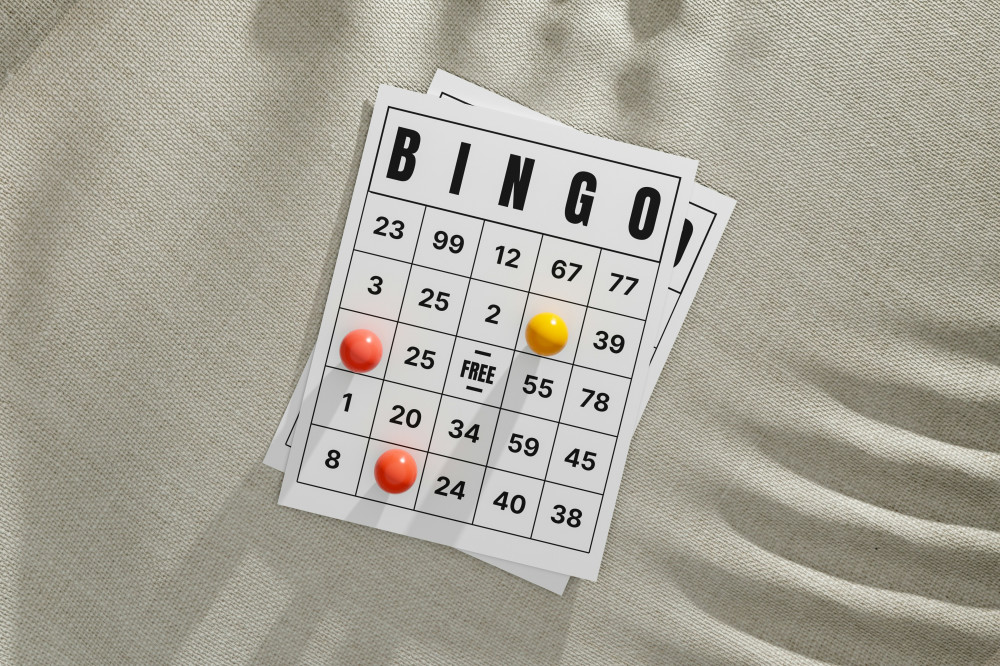
The lottery: A timeless game of chance still shrouded in secrets
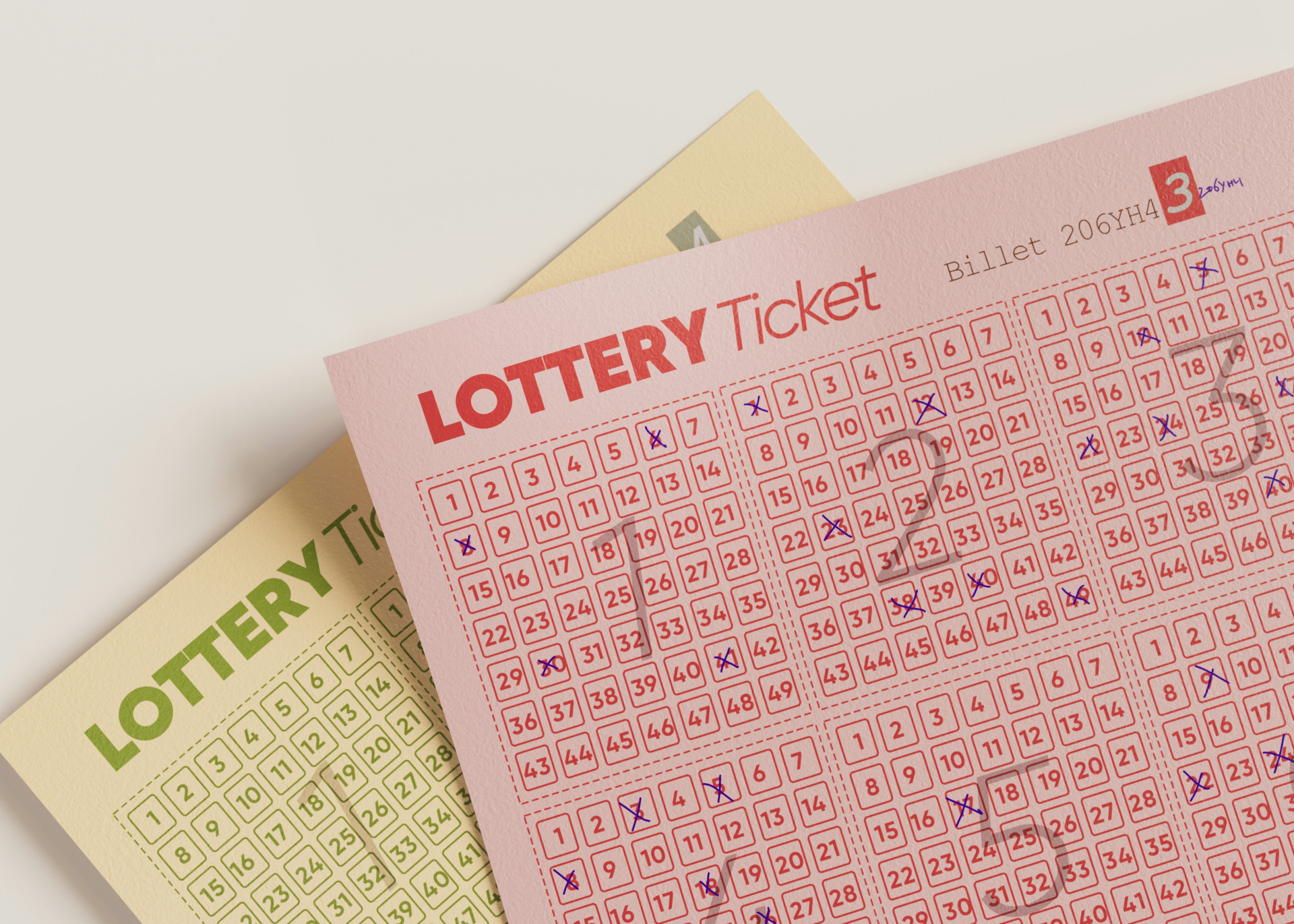
The lottery: A timeless game of chance still shrouded in secrets
Introduction to the Lottery
The lottery has captivated hearts and minds for centuries. This age-old game of chance offers the promise of instant wealth and the thrill of possibility. While playing the lottery is often seen as a form of entertainment, many dream of breaking free from their financial constraints through a lucky ticket.
The History of the Lottery
The origins of the lottery can be traced back to ancient civilizations. The Chinese first used a lottery system as far back as 205 BC, using it to fund government projects. In Europe, the first recorded lottery took place in the Netherlands during the 15th century to support the poor and build infrastructure.
Lotteries gained popularity in England and France, becoming a legal method for generating revenue. By the 18th century, they had spread across the globe, establishing a foothold in the United States. They were used by early American leaders like George Washington and Benjamin Franklin, to fund various public projects.
How Lotteries Work
A lottery typically involves purchasing a ticket with a unique set of numbers. Players select their lucky numbers or opt for a quick pick, where numbers are randomly generated. On the draw date, a drawing is made, and matches are compared to determine winners.
Winning can range from small prizes for matching a few numbers to life-changing jackpots. The odds of winning vary significantly depending on the lottery format and number of participants. Despite the skewed odds, many continue to play, dreaming of hitting the jackpot.
Secret Strategies and Myths
The allure of winning big often spurs countless strategies and myths. Some believe in number patterns, while others swear by certain “lucky” numbers that have brought them previous success. There are also common myths, such as choosing numbers based on birthdays or anniversaries, which limits selections to 1-31 and may hinder the odds against choosing larger numbers.
Another popular notion is that buying more tickets increases the probability of winning. While this can improve odds marginally, it still does not guarantee success. Statistically, the chances of winning the jackpot remain slim, no matter how many tickets one buys.
Lotteries Around the World
Across the globe, lotteries come in numerous forms, reflecting local cultures and regulations. In the United States, lotteries are managed by individual states, leading to a rich diversity in games. Mega Millions and Powerball are two of the largest, attracting millions of players with their massive jackpots.
In Europe, EuroMillions offers an exciting multi-country experience. Players from various nations participate, further enhancing the potential winnings. Meanwhile, in Asia, some countries have unique systems, such as Hong Kongs Mark Six lottery, which integrates various gaming elements.
The Draw of Instant Gratification
Part of the lotterys appeal lies in the promise of instant gratification. With a simple ticket, players can transform their lives overnight. This allure can lead to impulsive purchases, with many viewing the lottery as a low-stakes investment in hope.
The excitement surrounding large jackpot announcements can create a collective buzz, drawing more participants. Yet this often overshadows the reality that the majority of players will leave empty-handed. In the end, the thrill can mask the sobering odds.
The Ethical Considerations
The lottery raises various ethical questions. Critics argue that it preys on vulnerable communities, promoting gambling as a solution to financial hardship. The revenue generated from lotteries often supports public services, but it also risks fostering dependency on “luck” rather than promoting sustainable financial practices.
Moreover, discussions arise about the transparency of lottery operations. Some believe that the games are manipulated, while others raise concerns about the allocation of funds. These secrets can create an air of mistrust, further shrouding the allure of the lottery.
The Future of Lotteries
As technology continues to evolve, the lottery landscape also transforms. Online lotteries and mobile apps have made participation more accessible than ever. Digital platforms create new experiences, with interactive features enhancing player engagement.
Additionally, the growing focus on responsible gambling has prompted discussions on regulating lottery games and promoting awareness. The industry must navigate a complex landscape to maintain player interest while ensuring ethical standards are upheld.
Despite its many secrets and nuances, the lottery remains a beloved pastime for millions. It embodies the complex interplay of hope, chance, and sometimes despair—a brilliant reflection of human nature and societys search for fortune.